

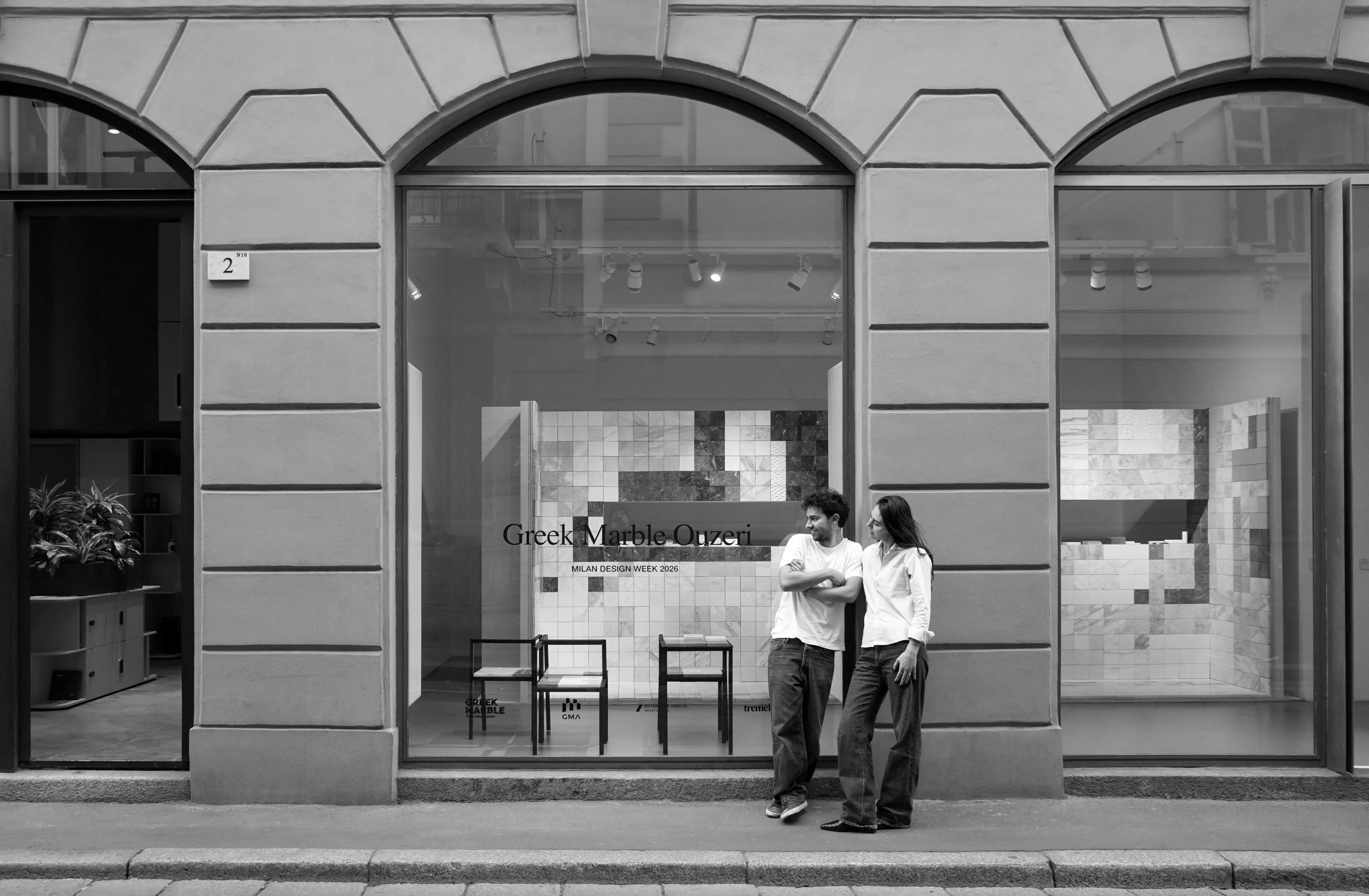
Founded in 2021 by architect Charis Tremetousiotis, tremeEats is an experiential design studio working at the intersection of architecture, culture, and hospitality. Based between Cyprus and Greece, with projects spanning Europe and the US, the studio operates across community-led events and collaborations with global brands including Hermès, Aimé Leon Dore, H&M, and Selfridges.
Rather than treating events as spectacles or campaigns, tremeEats approaches them as cultural situations shaped by intention, context, and human presence.
This conversation took place with tremeEats founder Charis Tremetousiotis and co-founder Nepheli Rigas. Moving between origins, process, community, and future ambitions, it reflects a shared practice shaped by architecture, experimentation, and a particular way of thinking about gathering.
So Charis, how did tremeEats begin?
It started as research, not as a business idea. I was still studying architecture at the time, and the project began as my thesis.
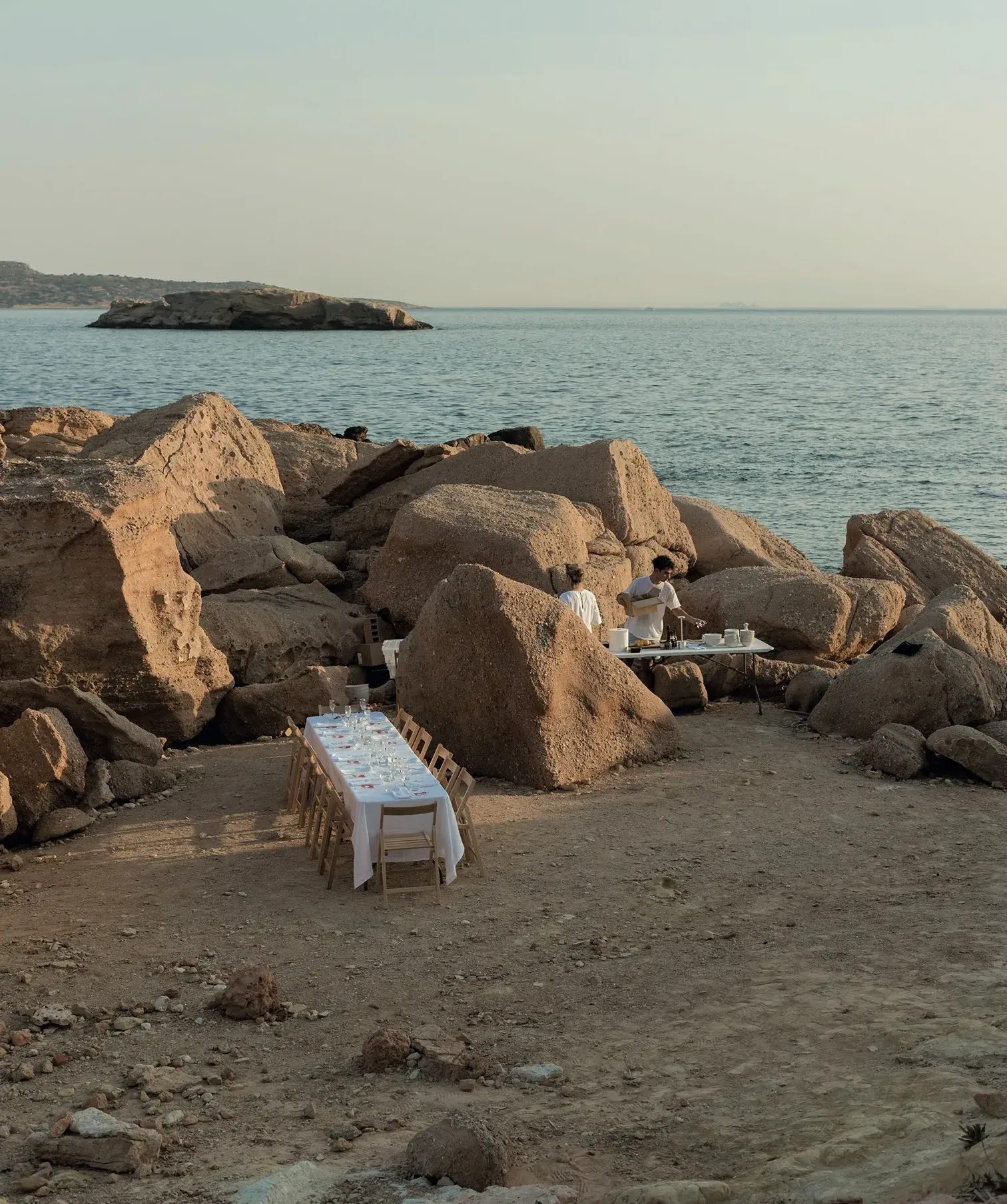
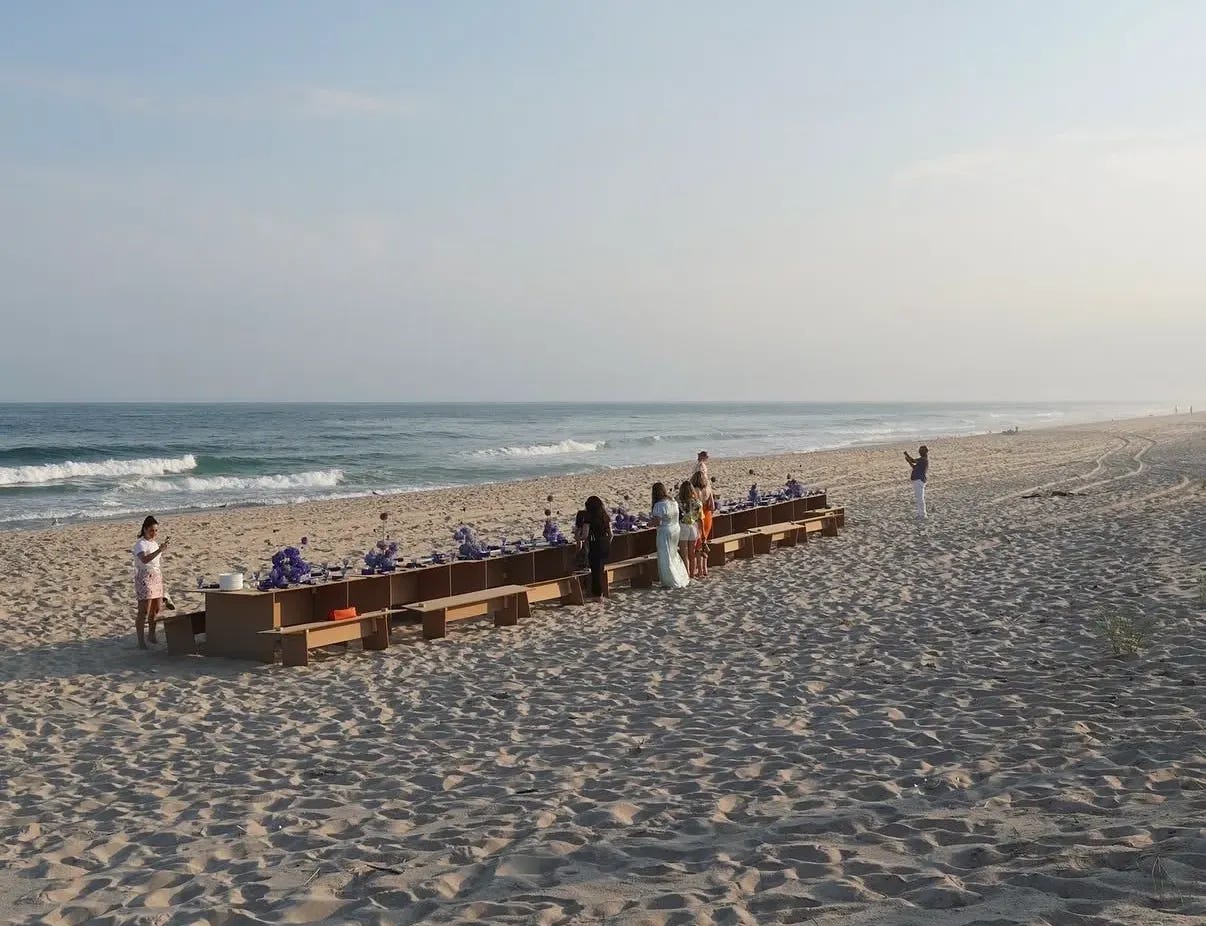
I was interested in how space could emerge in places where it seemingly didn’t exist, abandoned villages, open landscapes, sites without infrastructure.
Instead of designing buildings, I focused on one simple gesture: the table. People gather around it, stay, talk, eat. Place it within a context, and space begins to form almost automatically.
I defined seven locations that later became seven dinners realised one by one in real life, each approached as an architectural case study rather than an event.
From the beginning, the process was carefully structured. People applied, we reviewed submissions, and every gathering became part of an ongoing experiment. It may have looked informal, but it was intentionally constructed.
In many ways, it was architecture expressed through food, landscape, and gathering.
At what point did this shift from research into practice?
I didn’t initially see it becoming a studio. It existed quietly alongside the research.
The turning point came when Selfridges reached out to collaborate. It was the first moment I realised what we were doing could exist beyond our own context.
Shortly after, a conversation with Hermès in Greece led to the design of their first kiosk in the country.
What became clear through those projects was that the way we approached our own community events, with clarity, intention, and respect for the visitor, was exactly what brands were looking for.
We didn’t really change what we were doing. The context around us changed.
Nepheli, how did your partnership come together, and how does it shape the studio today?
My background is very different. I studied mathematics and worked in commodities trading before joining tremeEats.
I had been following Charis’ work and reached out by email, which disappeared somewhere in his inbox chaos. Eventually, a mutual connection introduced us properly.
On paper, our backgrounds seem unrelated, but in practice they balance each other. Charis brings architectural intuition and spatial sensitivity. I bring structure, operational thinking, and strategy.
We don’t divide roles rigidly. That mindset extends across the studio. Even beyond design roles, architectural thinking shapes how we work. We want everyone involved to understand the larger context of what we’re building, so decisions are guided by intention as much as execution.
You move between community-led gatherings and collaborations with global brands. What role do participation and community play in your work?
For us, meaningful gatherings are about agency.
We often think about gallery spaces. You’re not told where to go or what to look at first. You move through them freely and construct your own experience. That idea strongly influences our work.
We don’t want guests to feel like passive attendees. We want them to become active participants.
Community work is essential to that process because it gives us freedom to experiment.
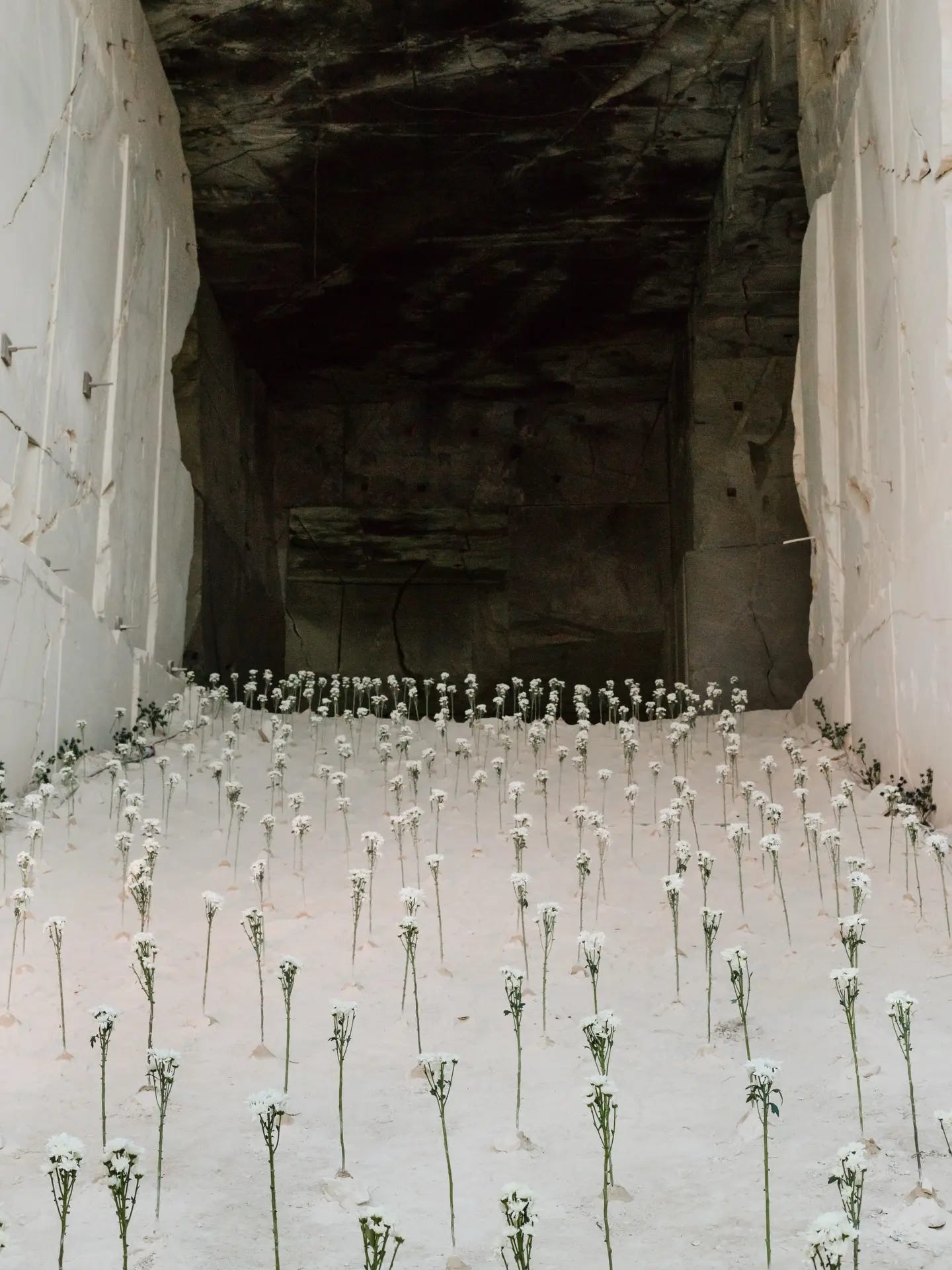
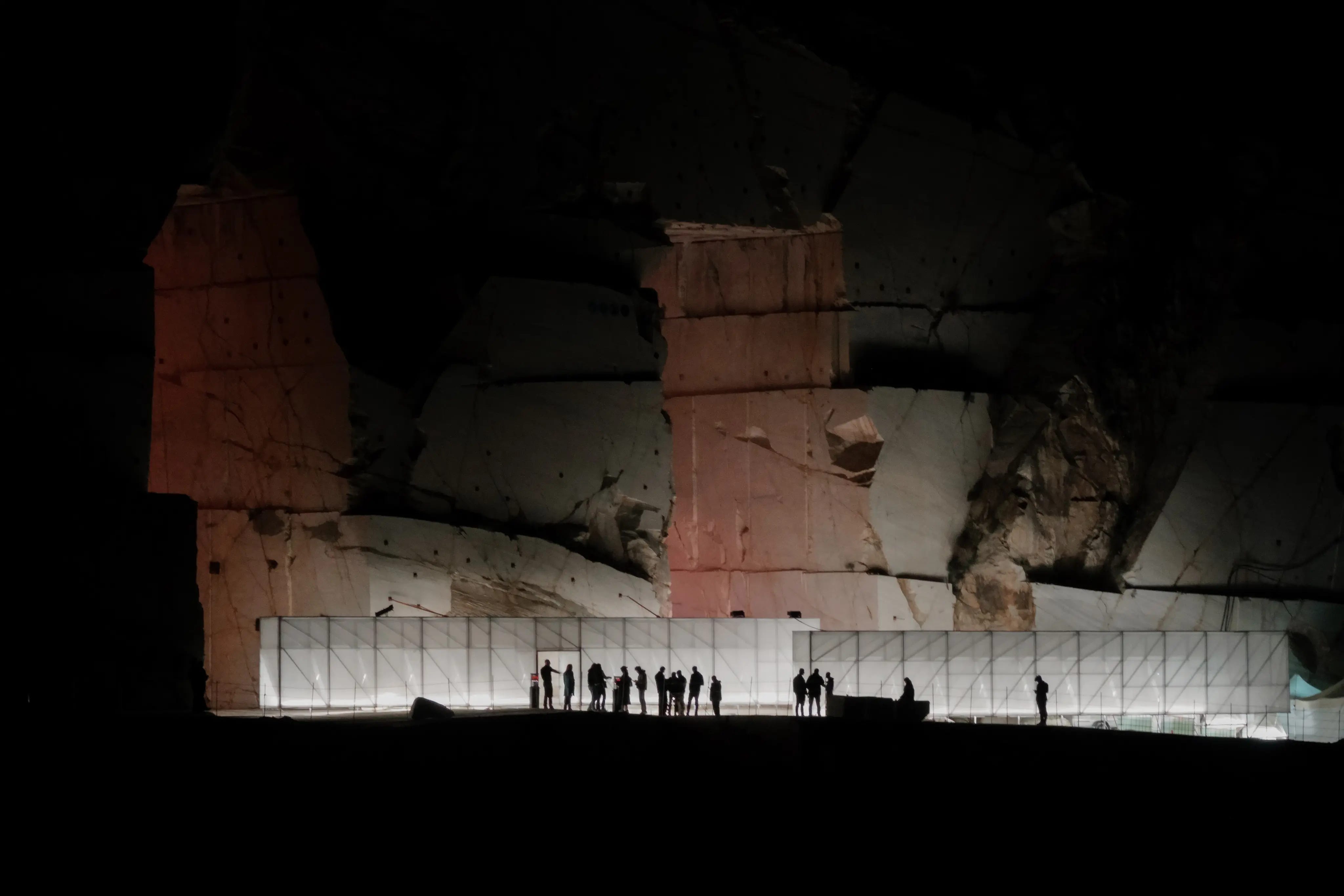
The quarry event is a good example. No brand would have done something like that at the time, so we did it ourselves. It worked, and eventually brands started approaching us for similar experiences.
That’s often how the relationship works. We test ideas within the community first, and commercial work follows once people understand what becomes possible.
These worlds aren’t separate for us. One continuously informs the other.
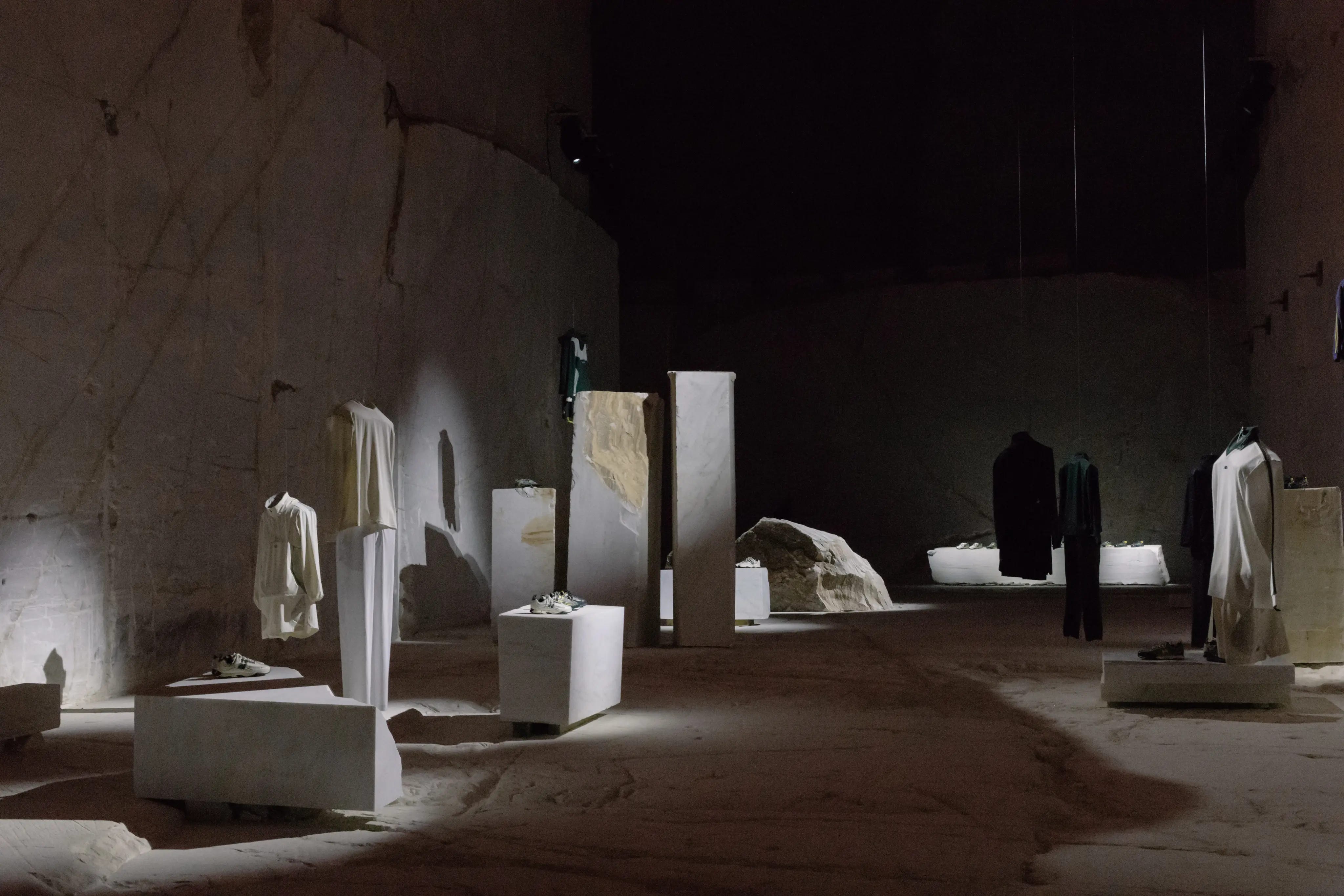
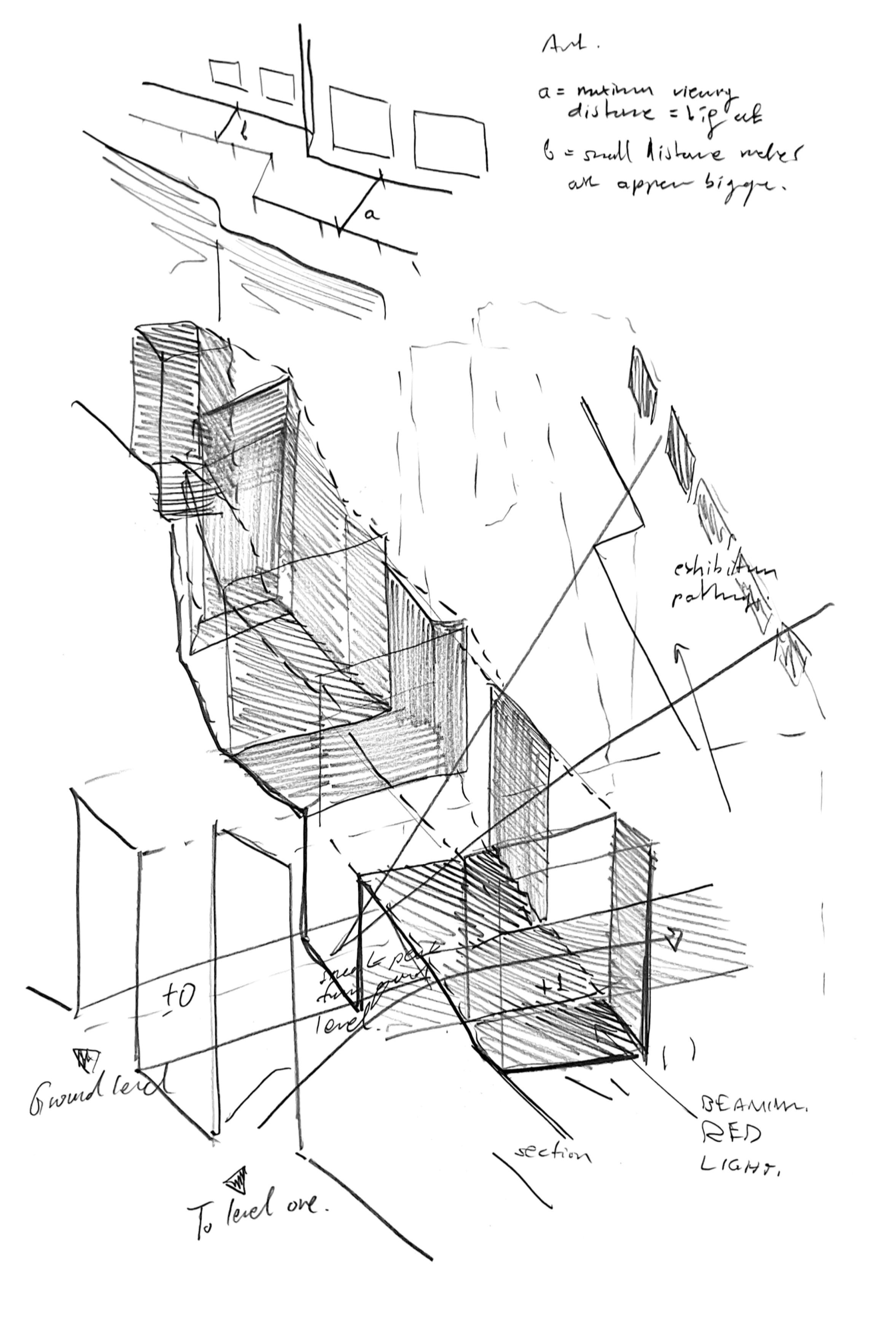
How does a project evolve from concept to execution, and what role do uncertainty and experimentation play in that process?
There’s no standard formula. Every project unfolds differently.
What remains constant is the amount of time we spend on the concept. Sometimes that phase alone can take months. Once the concept is clear, execution becomes much simpler.
Some clients arrive with very specific goals, others with almost nothing. In both cases, our role is to rethink the brief, not to reproduce existing formats, but to create something rooted in the context.
We don’t try to eliminate uncertainty. We accept it as part of the process.
Ideas need discussion, site visits, testing, friction. Sometimes things feel chaotic, but that chaos can be productive. Rather than controlling everything too early, we allow ideas time to mature.
Risk is not something we avoid. It’s something we actively work with.
Do you see tremeEats moving further into permanent spaces, objects, or design products?
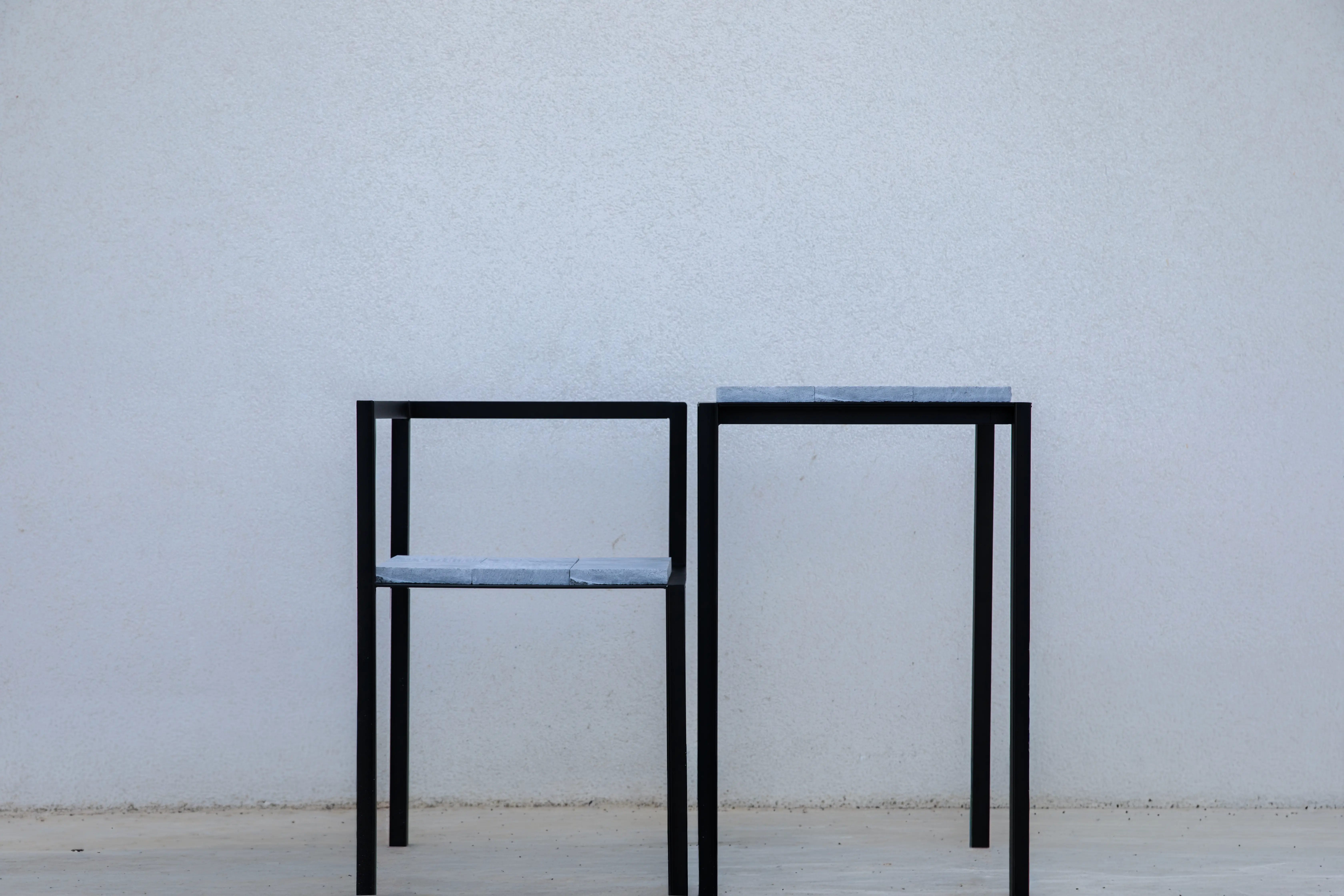
We’re already doing that. Alongside events, we’ve designed permanent spaces, products, and custom furniture.
For us, permanence isn’t a change in direction. It’s simply another condition. Different programs lead to different outputs, but the approach remains the same.
Our project for Milan Design Week 2026 reflected that. A public and performative marble installation representing Greece, not conceived as an isolated object, but as an accessible shared experience.
How do you define taste?
Taste isn’t about the final image or a recognisable aesthetic. For us, it lives in the process, in how decisions are made and how situations are handled.
That’s also why we’re cautious about AI. It can be useful, but it doesn’t replace lived experience. Choosing a site, a material, or even a specific rock to build on, those decisions come from physically being there, not from generating options.
If you don’t understand why you’re choosing something, you can’t really be intentional.
And without intention, taste loses its meaning.
What role do you want tremeEats to play culturally in the long term?
We’re less focused on specific milestones or brand names than on building an identity people recognise and trust.
What increasingly interests us is the space between culture, hospitality, and brand experience, and how people choose to gather within it.
In a world dominated by screens, we’re fascinated by what still makes people leave their homes. What makes an experience worth the effort of showing up for. Why certain places create lasting energy while others slowly disappear.
Rather than following trends, we’re interested in understanding the deeper patterns behind gathering, participation, presence, and how those behaviours might continue to evolve. We want tremeEats to remain open, playful, and public, even as projects grow in scale.
It still feels like the beginning. The direction is clear, but the work is ongoing.
That’s exactly how we want it.
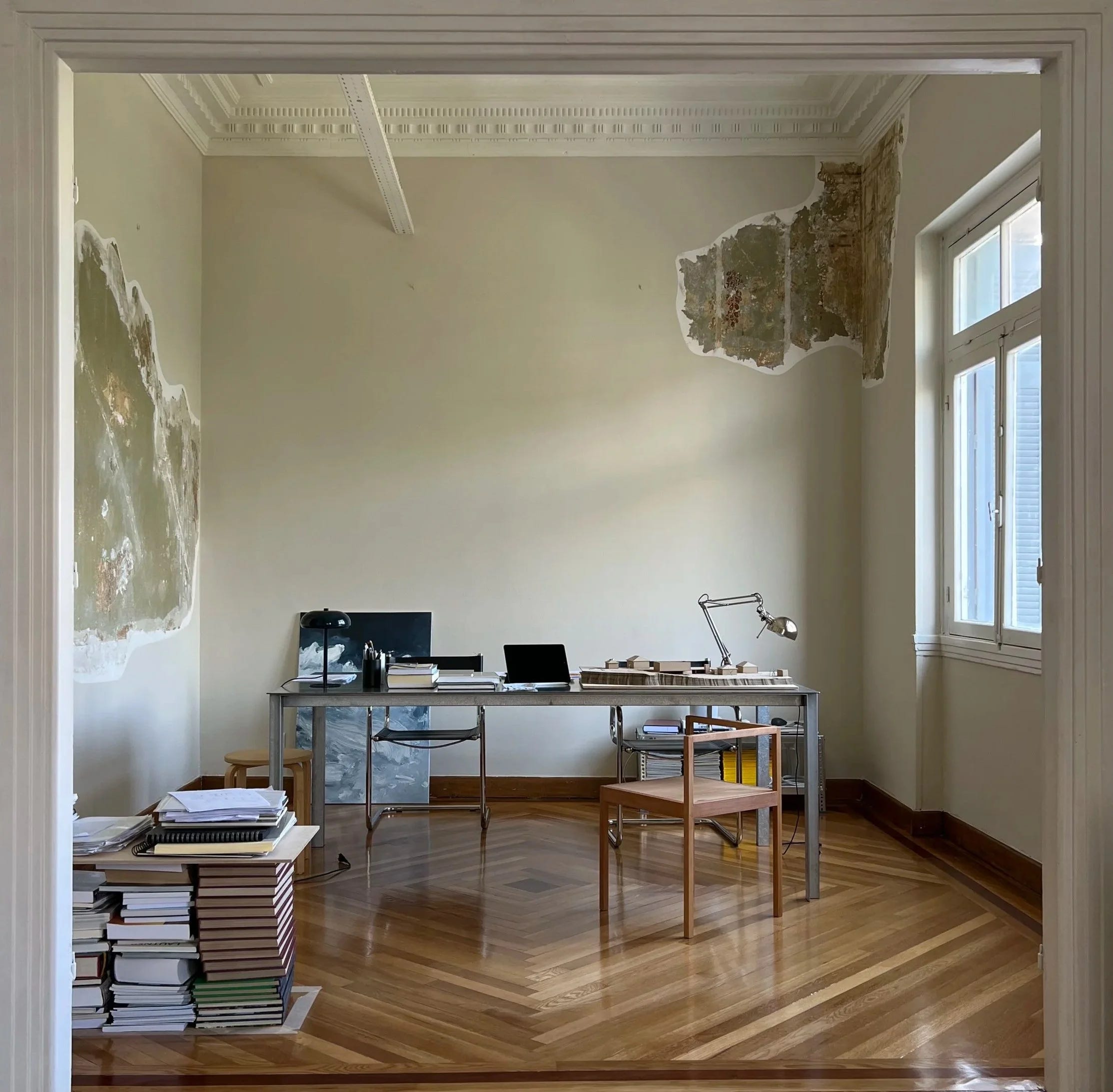
Special thanks to Charis and Nepheli for the generous conversation and for sharing insight into their practice.
An Ongoing Dialogue
Curated is an ongoing dialogue, a living system of ideas exploring design, technology, and culture through curiosity and conversation.
I’d love to hear from you, what’s been inspiring you lately, or what’s been shaping your sense of taste? Reply anytime or contact me directly via Instagram or LinkedIn.
Thanks for reading. If this resonates, feel free to forward it to someone who cares about design, technology, and culture as much as you do.