


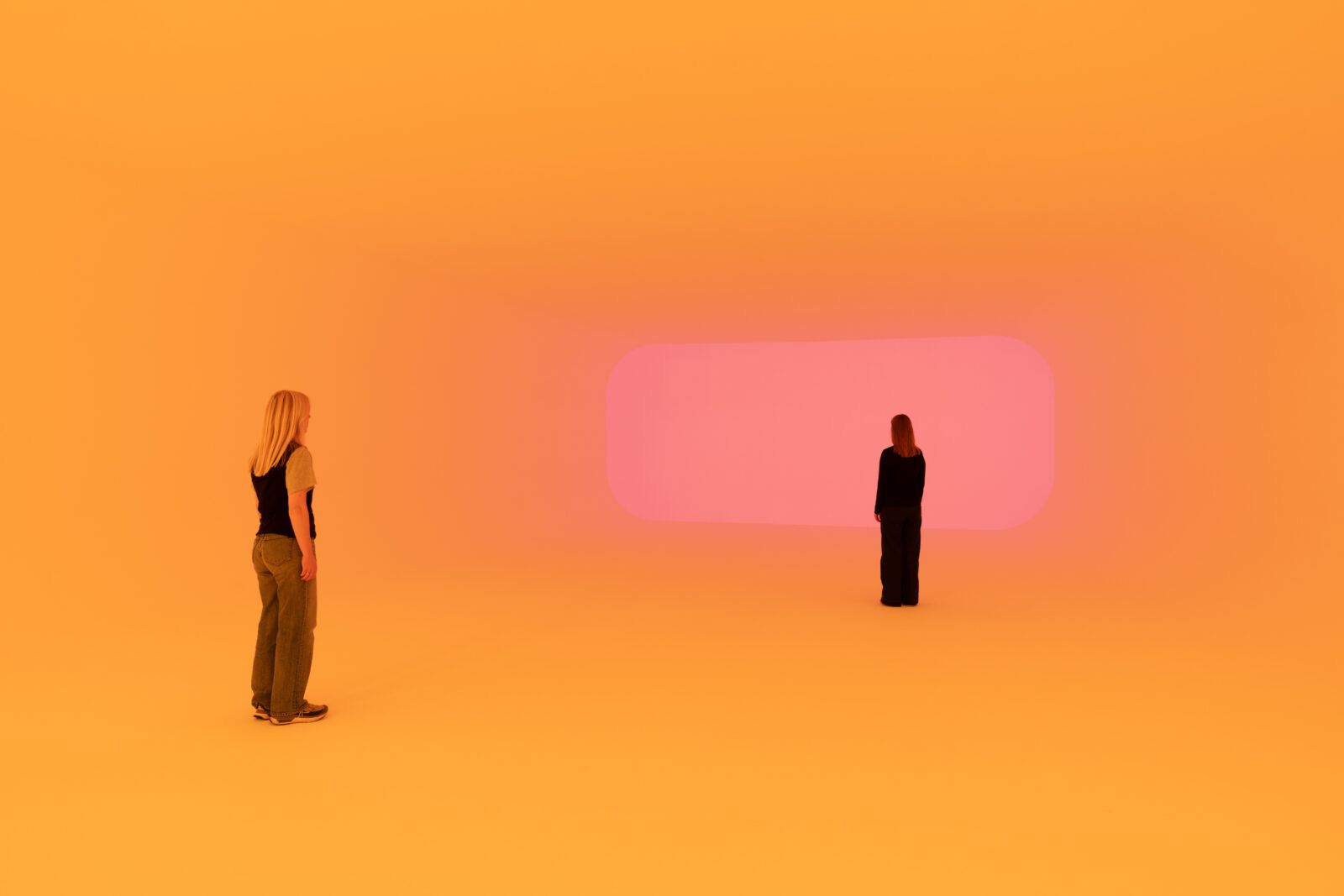
In a world of constant connection, presence has become rare.
We are living in a moment of accelerated creation. AI can generate images, text, interfaces and entire products in seconds. Social platforms are filled with generated content, new tools appear weekly, and output is no longer limited by time or effort.
But abundance creates a new problem.
When everything can be produced instantly, attention becomes harder to earn. When content becomes infinite, experience begins to matter again.
People are no longer only consuming information. They are looking for environments that feel intentional, places where presence replaces noise. As digital space expands, physical experience gains weight.
What has become rare online is shared presence. Moments where attention is collective rather than scattered. Spaces where people gather and experience something at the same time.
Fashion understood this early. Shows are no longer just presentations of clothing. They have become spatial narratives where architecture, scenography and atmosphere form part of the story. A clear example was the Louis Vuitton Fall Winter 2026 menswear show during Paris Fashion Week, led by creative director Pharrell Williams.
At the center of the show stood the DROPHAUS, a prefabricated house developed in collaboration with the Japanese architecture studio Not A Hotel. The structure was not a backdrop. It was the conceptual core of the show. Architecture became message. Space became storytelling.


This signals a broader shift. Brands are no longer defined only by what we see. They are defined by what we experience across environments, across mediums and across senses.
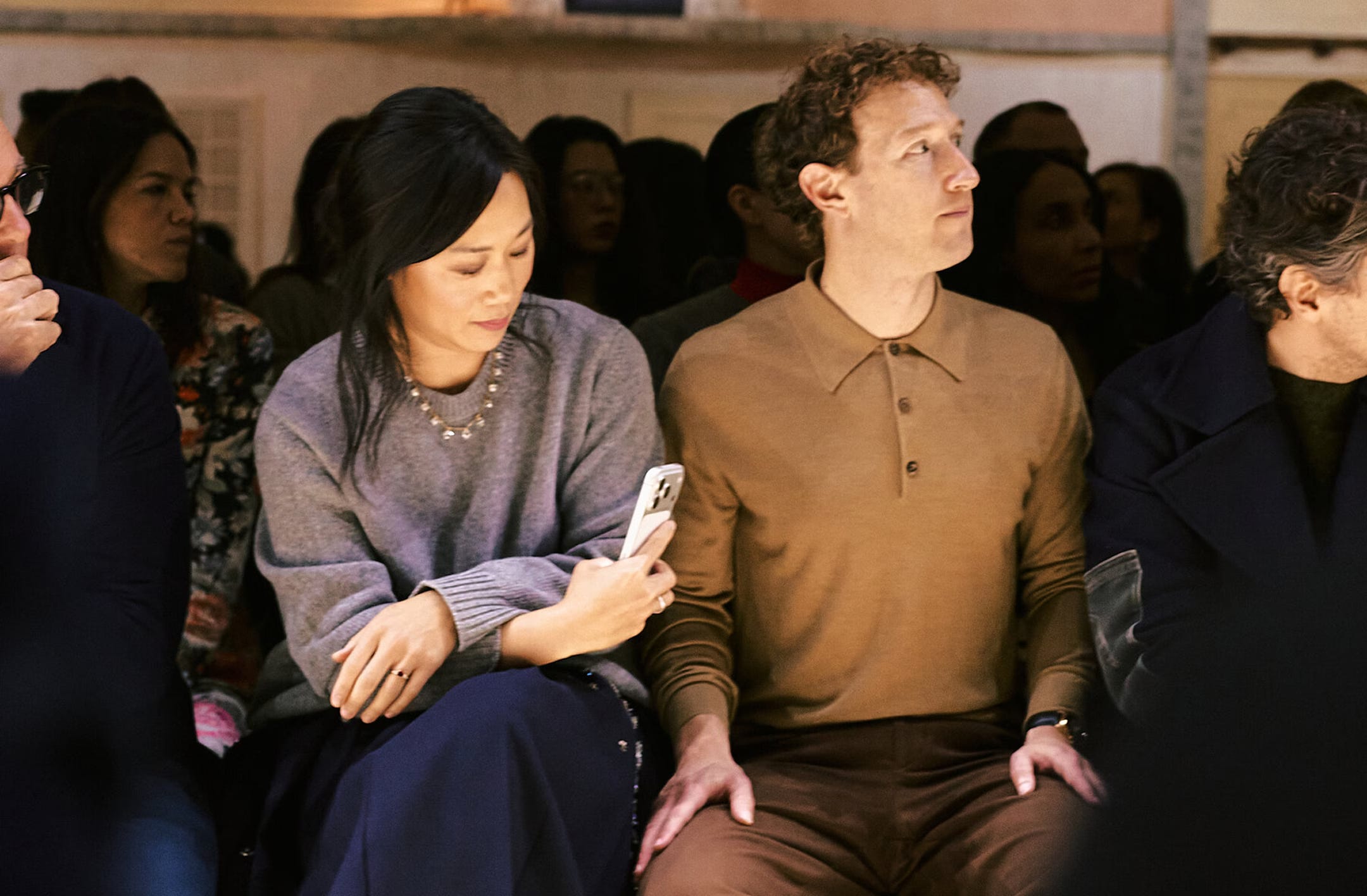
Technology companies are beginning to move in the same direction. When Mark Zuckerberg appeared at the Prada show during Milan Fashion Week, the moment was interpreted by many as unexpected. But it also reflected something deeper. Meta has already announced partnerships with Prada to develop luxury versions of its AI-enabled glasses, positioning wearable technology not only as hardware, but as a cultural object.
The shift is also visible in how technology companies build their brands. Nothing recently appointed Charlie Smith, formerly CMO of Loewe, as its first Chief Brand Officer. A technology company recruiting leadership from a luxury fashion house signals something fundamental. Product, brand and cultural expression are no longer separate layers. They operate as one integrated experience.
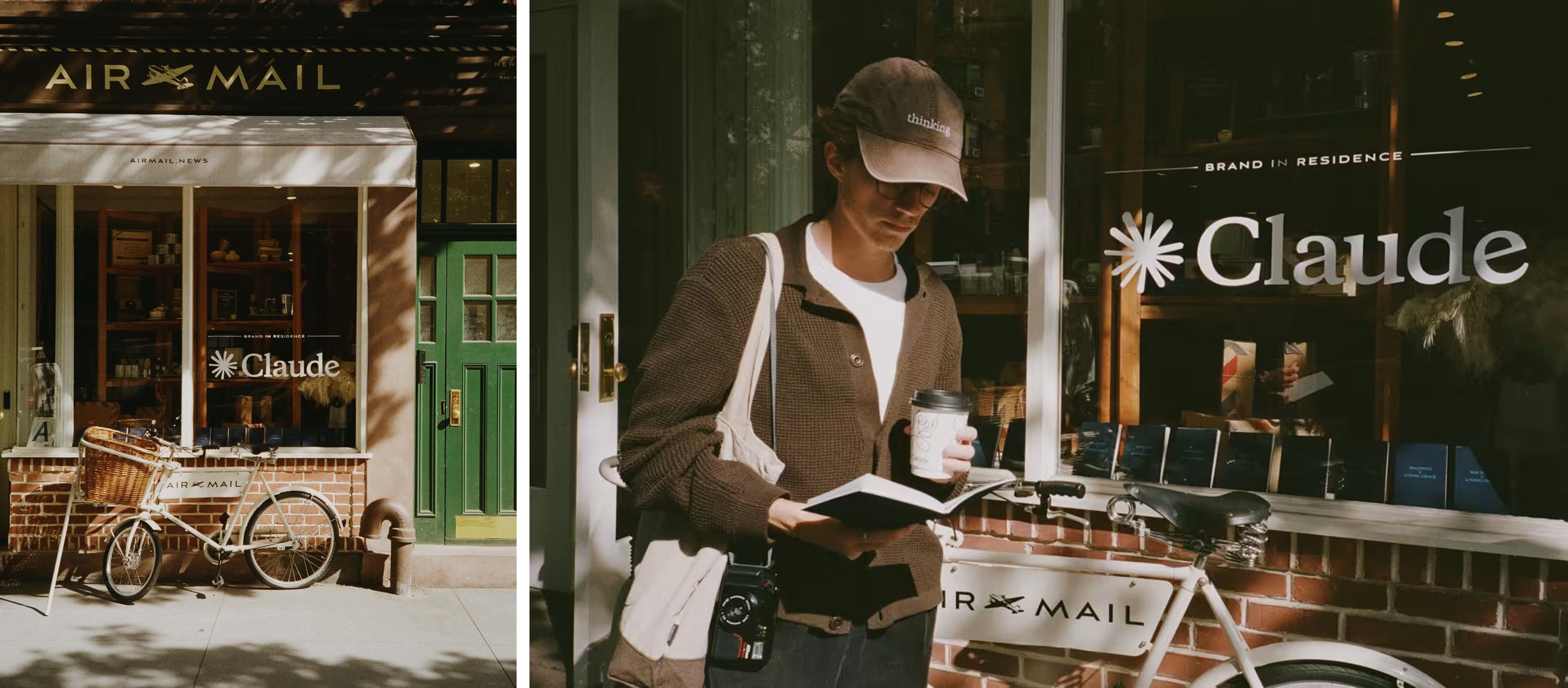
Even AI companies are beginning to extend their products beyond the screen. Last October, Anthropic hosted a weeklong Claude pop-up inside former Vanity Fair editor Graydon Carter’s Air Mail Newsstand in New York. A product that normally exists only as software was suddenly presented through a physical environment, turning it into a place where people could gather, interact and experience it beyond the interface. This reflects a growing strategy among technology companies to use physical spaces to reach customers.
Across industries, the same pattern is emerging. The product is no longer only the object or the software itself. It is the environment surrounding it.
Experience becomes the differentiator.
As digital products multiply, what begins to matter more is not only functionality but experience, identity and context. The brands that shape culture understand that the most memorable products are not only used, they are experienced.
And if experience becomes the differentiator, the real question is how digital environments should be designed in the first place.
More on that soon.
An Ongoing Dialogue
Curated is an ongoing dialogue, a living system of ideas exploring design, technology, and culture through curiosity and conversation.
I’d love to hear from you, what’s been inspiring you lately, or what’s been shaping your sense of taste? Reply anytime or contact me directly via Instagram or LinkedIn.
Thanks for reading. If this resonates, feel free to forward it to someone who cares about design, technology, and culture as much as you do.