

Why niche brands feel more relevant right now
On eyewear, visual language, and coherent brand systems

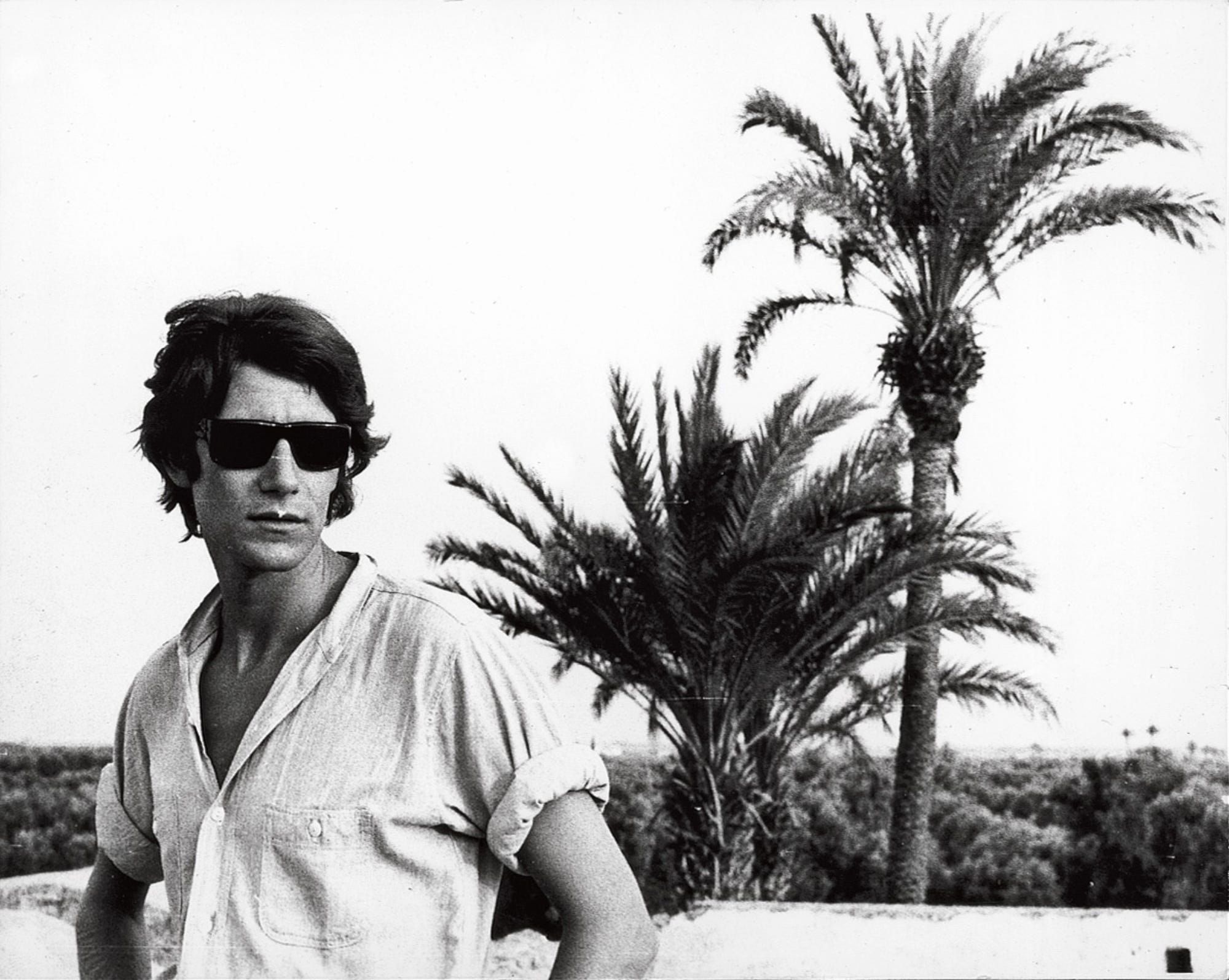
Eyewear has always been an interesting category to me. It sits somewhere between product and identity, functional by default but highly expressive when done right.
Brands like Chimi or Jacques Marie Mage have shown how far you can push this. What started as niche has now moved into broader awareness. At the same time, legacy names like Oliver Peoples or Ray-Ban remain culturally relevant, but operate on a completely different scale.
What’s changing is not the product itself, but how brands build context around it. Eyewear may have started as something purely functional, but today it operates as a signal, shaped as much by culture as by design.
I wear glasses daily, so there is no way around it. Over time, that turned into an interest in both optical frames and sunglasses. It’s one of the few product categories where subtle changes in form shift perception, which makes it a useful lens to observe how brands can operate today.
A shift from product to universe
What defines the current wave of niche brands is not just design quality, but how tightly everything is curated around it. Vincent Boulevard, a Los Angeles based eyewear brand, is a good example of this shift.
At first glance, the product is minimal. Clean frames, a restrained color palette, precise proportions. Nothing feels forced. But the product is not the main story.
The brand operates more like a curated world than a traditional eyewear company.
A controlled visual language
Looking at their Instagram and campaigns, there is a clear reference system.
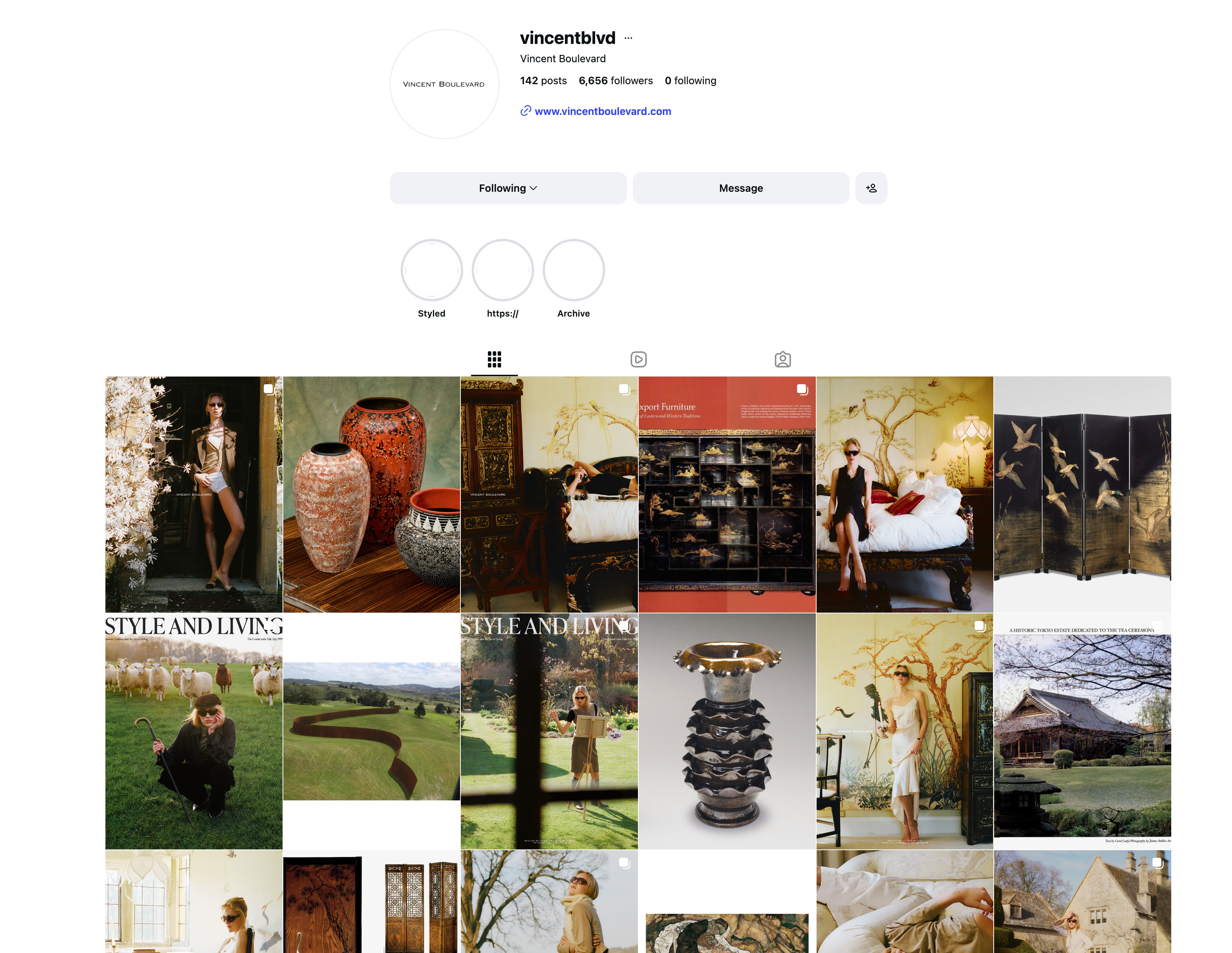
The imagery draws from 80s and 90s photography, vintage interiors and architecture, and a mix of fashion, art and objects. It does not feel like moodboarding. It feels edited.
This is storytelling, not in a literal sense, but in how each image builds on the next. Nothing feels decorative. Everything sets the tone. Over time, it becomes a world that holds together.
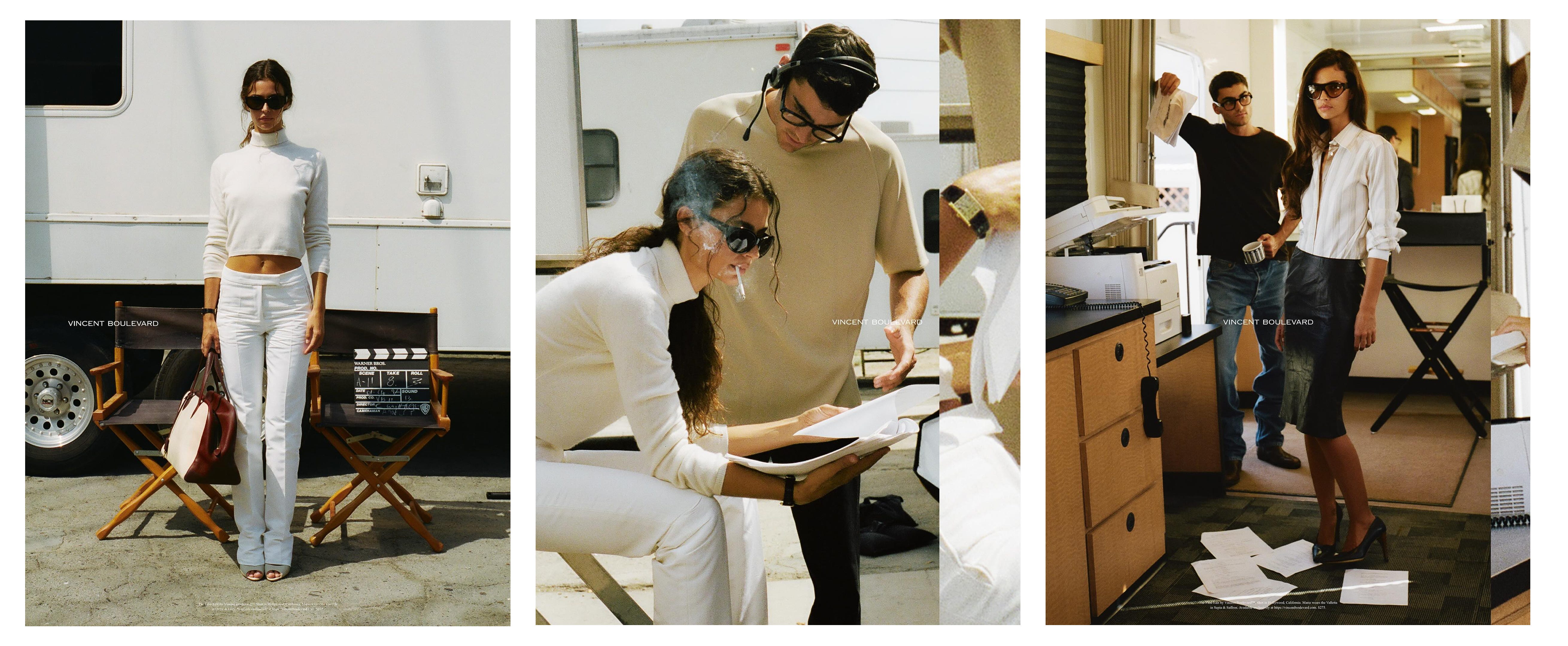
There is a clear restraint in how this is done. Slightly desaturated colors, soft lighting, and composed imagery. Even when mixing different elements like furniture, ceramics, fashion, and people, it still reads as one language.
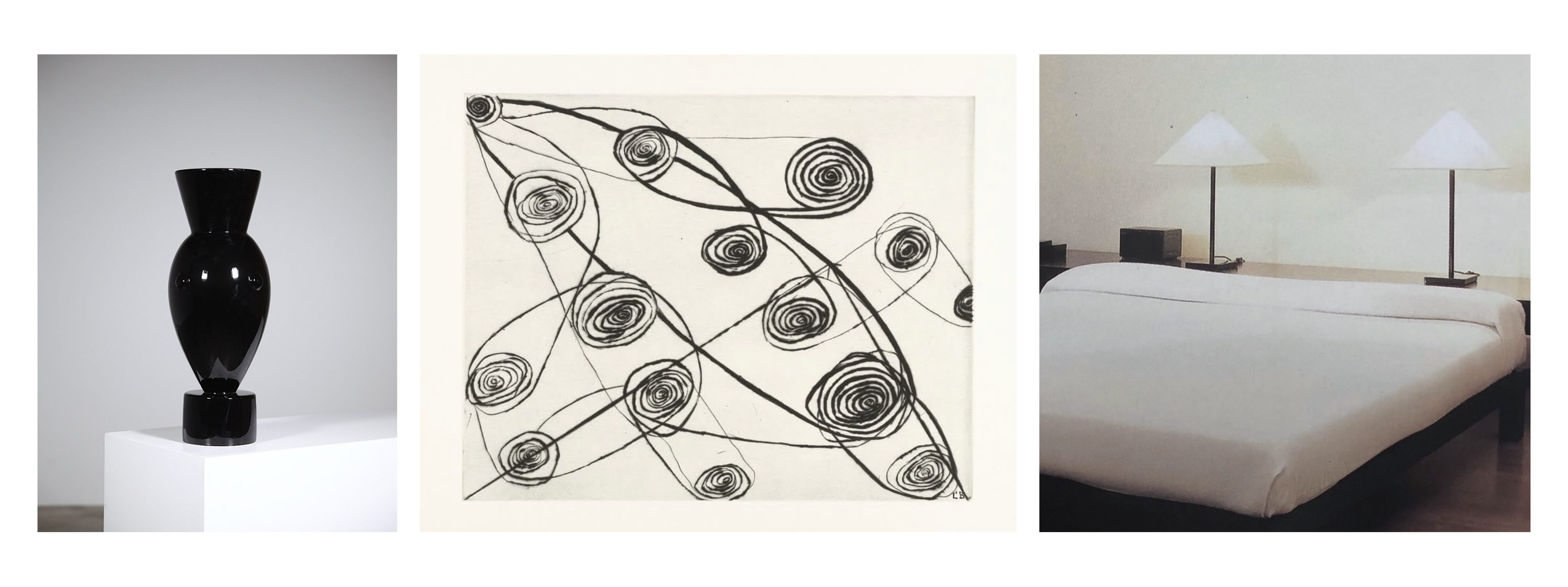
Many brands stop at references. The difference here is how they are translated into something that holds.
E-commerce as an extension, not a layer
The same logic carries into the e-commerce experience. Product pages are simple and focused.
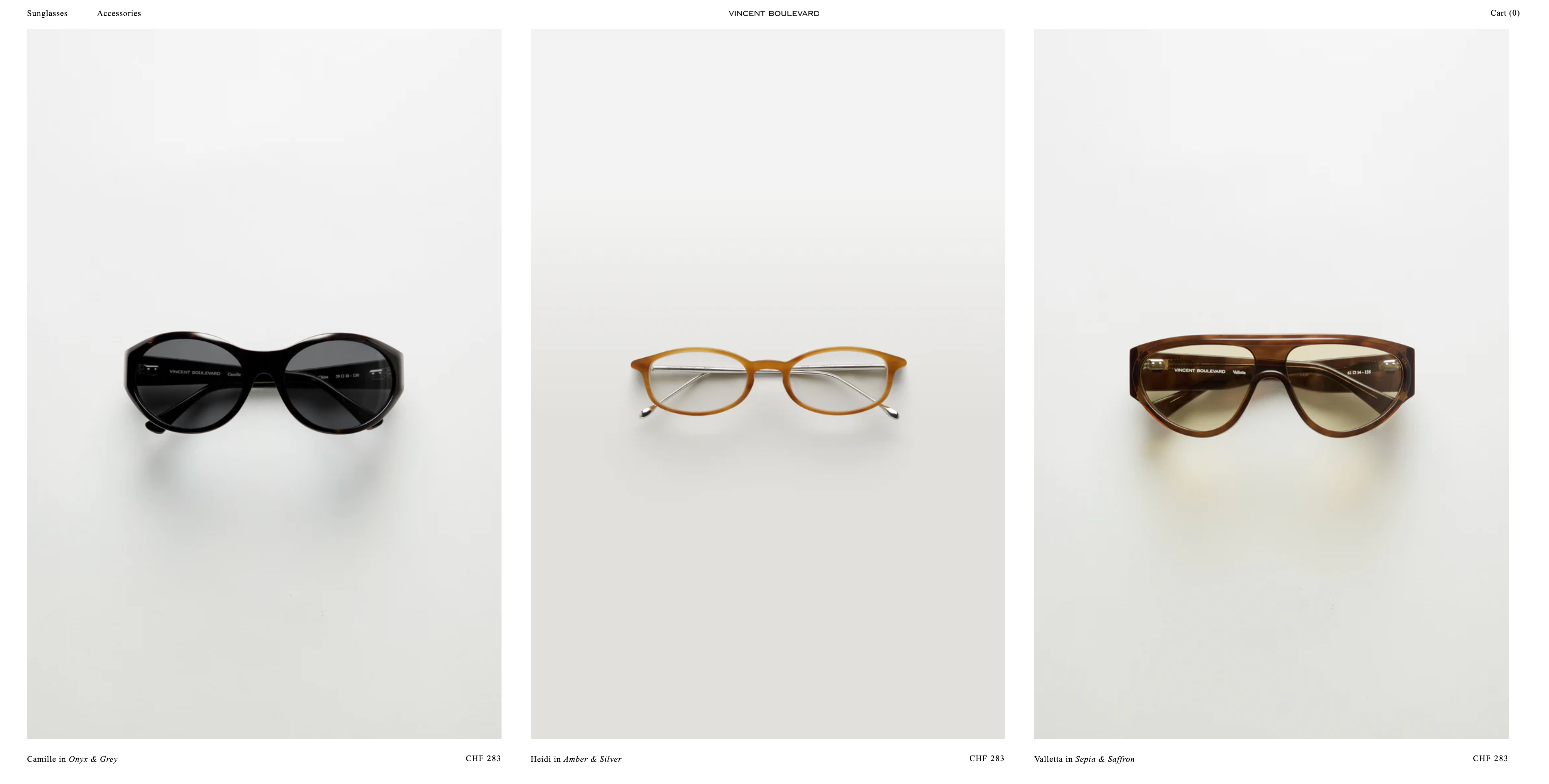
Products are isolated, placed on neutral backgrounds, and presented without distraction. Typography follows the same approach, simple, precise, and never competing with the product. There is no forced storytelling, no heavy overlays, and no unnecessary interaction, just clarity.
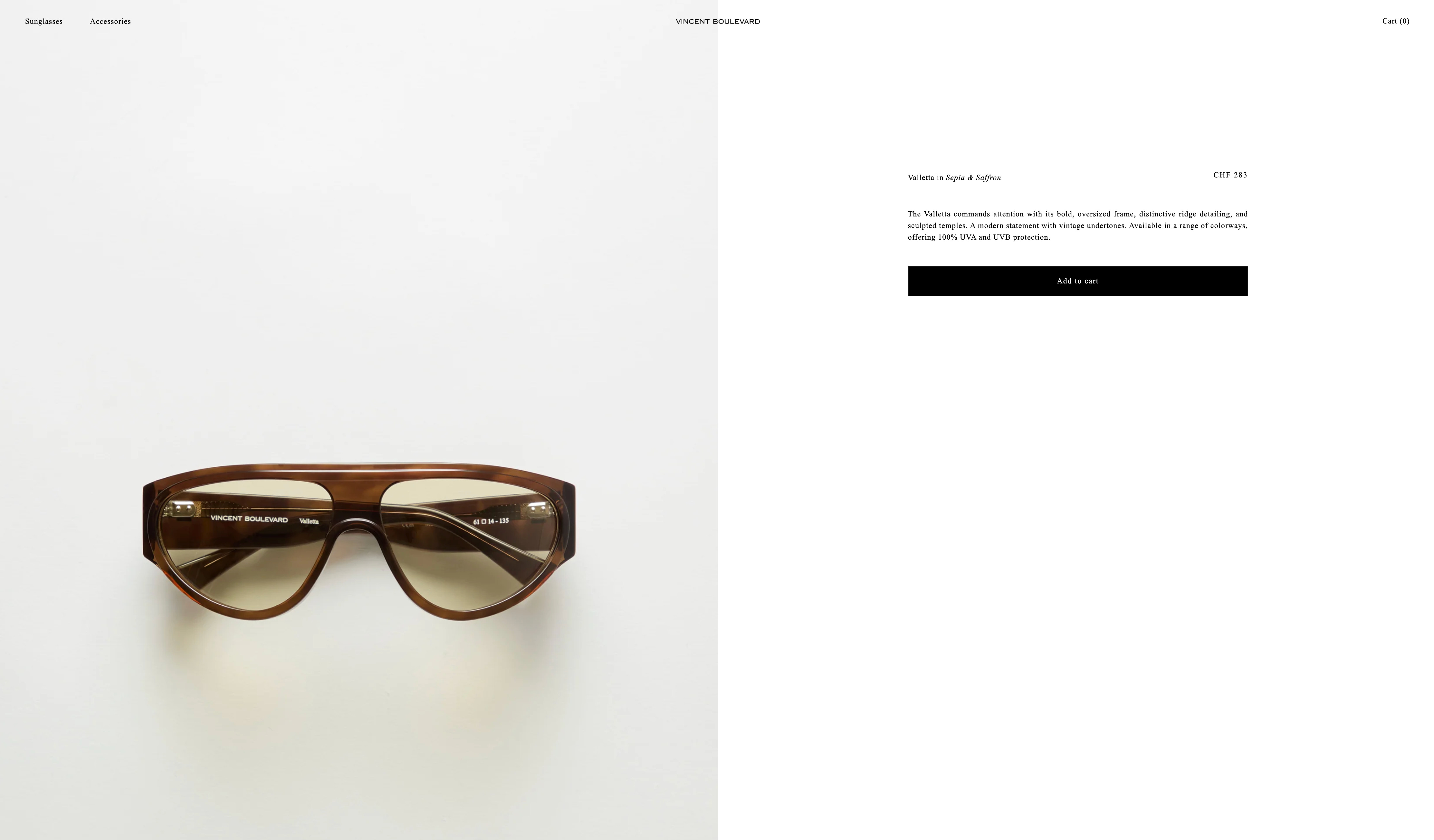
The store does not try to convince you. It reflects the same control you see in the visuals.
Casting and cultural positioning
Another important layer is how the brand builds perception through people.
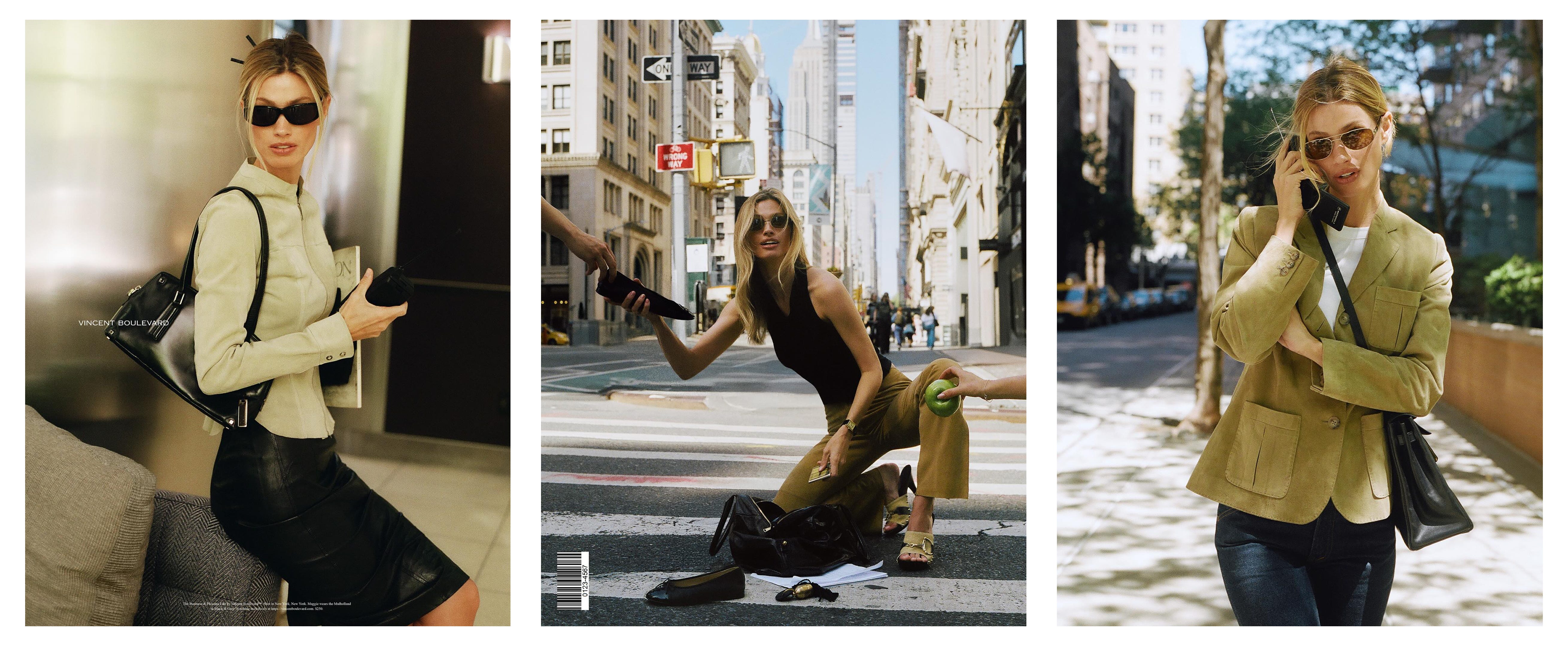
Instead of relying only on recognizable faces, they mix niche creators, lesser known profiles, and occasionally more established names like Maggie Rawlins. This creates a balance, credibility without feeling commercial, and familiarity without becoming mainstream. It feels curated, not optimized.
What this reveals
This is less about eyewear and more about how brands operate today. Three things stand out.
Clarity over scale. Niche brands do not try to be everywhere. They define a tight world and stay consistent within it.
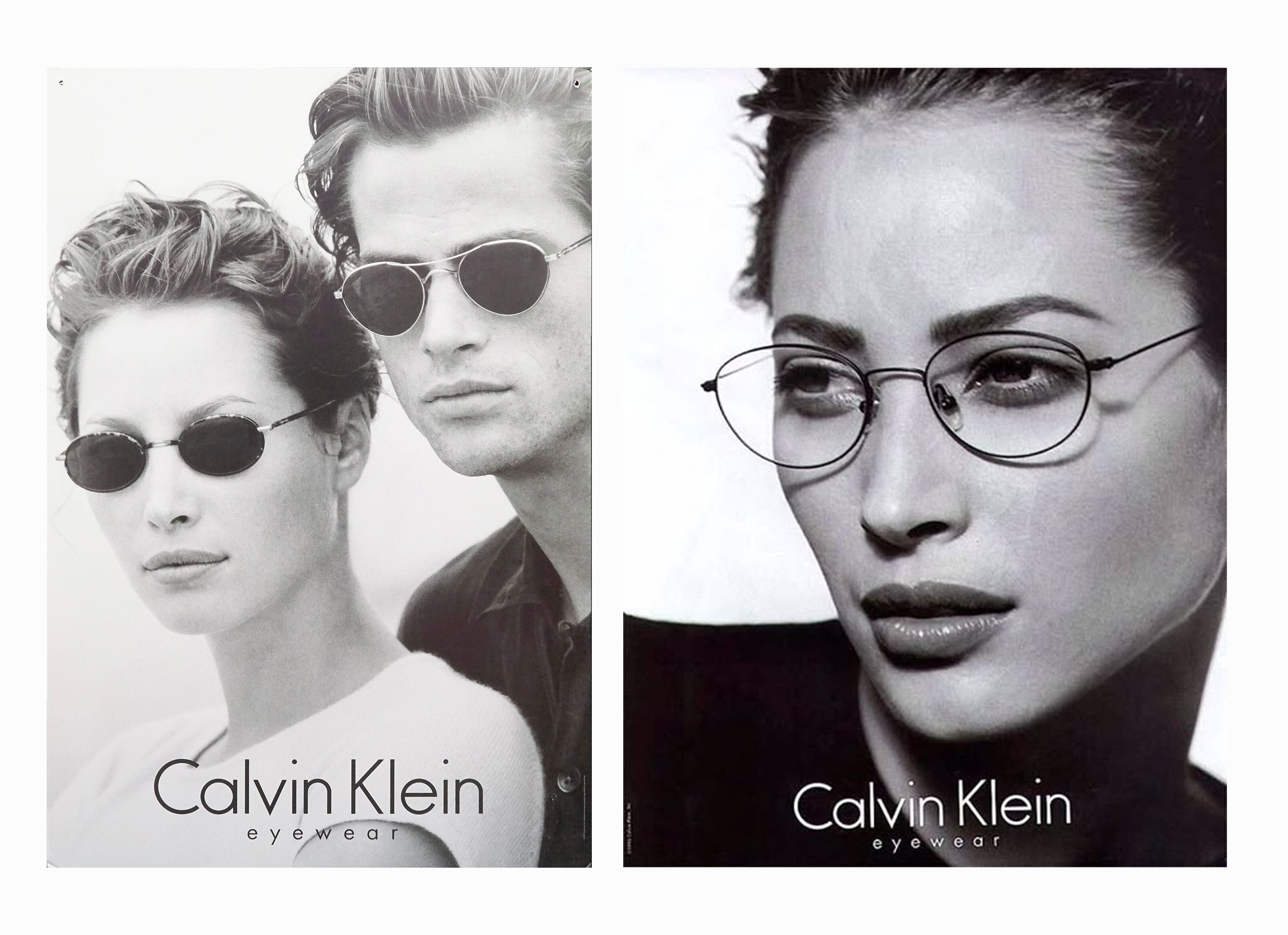
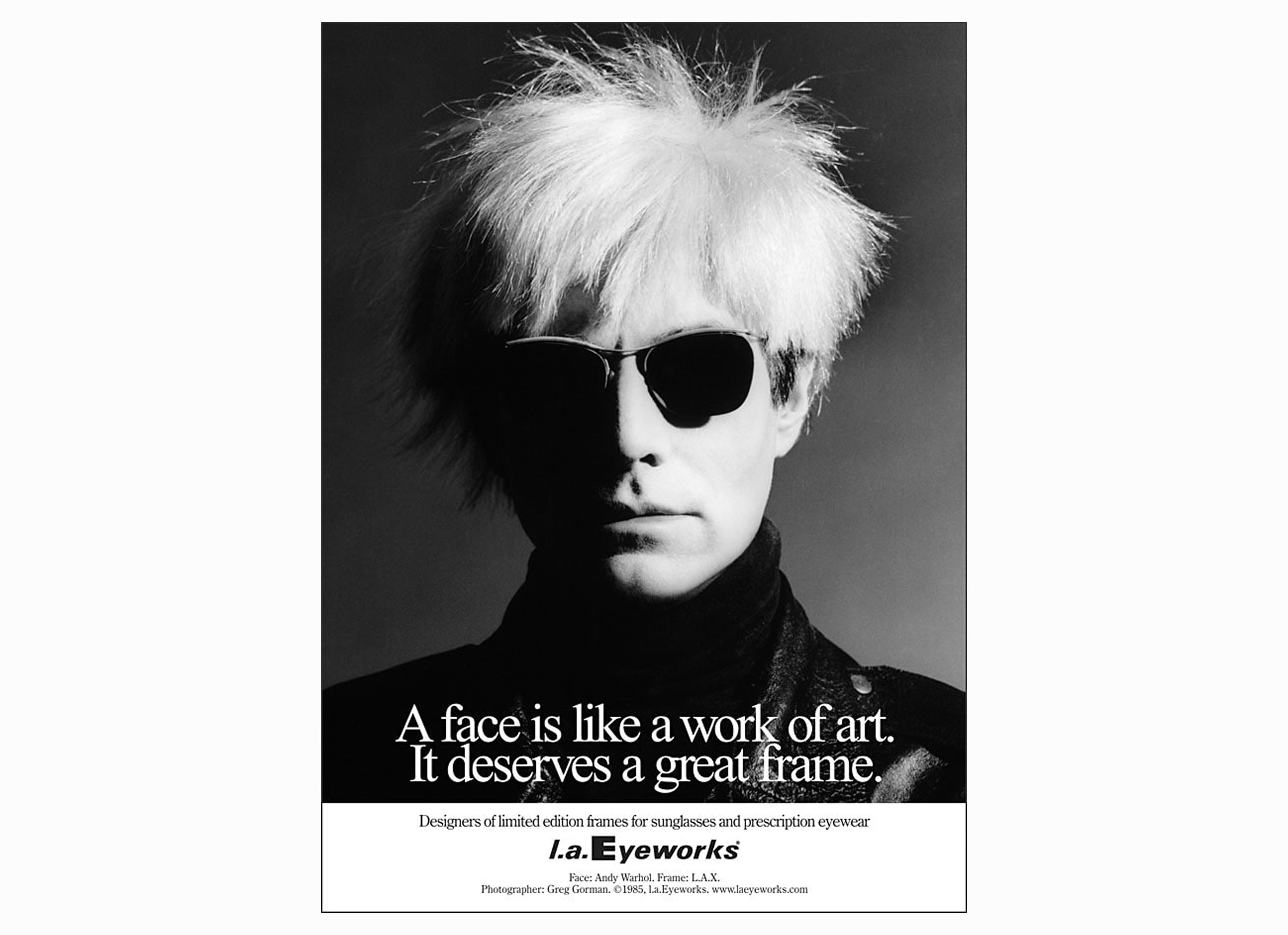
Systems over campaigns. Campaigns like Calvin Klein in the 90s or L.A. Eyeworks with Warhol showed how strong visual direction can shape perception. What has changed is where that level of control lives. It is no longer limited to campaigns, but extends across every touchpoint. Brands like Vincent Boulevard operate with that same continuity from the start.
Taste as differentiation. Not louder branding, but better selection, stronger editing, and more restraint.
Why this matters now
In a landscape where everything is accessible, value shifts. It is no longer about who can produce more or distribute faster, but who can define a clear point of view and maintain it across every touchpoint.
This is what gives niche brands their relevance. They are not competing on scale, but on clarity. Instead of trying to reach everyone, they build something specific enough that the right audience recognizes itself in it. As culture becomes more fragmented, people look for signals that reflect their own interests, not the mass.
That is what makes brands like Vincent Boulevard feel more present today. Not because they are louder, but because they are more precise. This level of control is not limited to smaller brands. Labels like The Row or Jacques Marie Mage show how it can scale.
An Ongoing Dialogue
Curated is an ongoing dialogue, a living system of ideas exploring design, technology, and culture through curiosity and conversation.
I’d love to hear from you, what’s been inspiring you lately, or what’s been shaping your sense of taste? Reply anytime or contact me directly via Instagram or LinkedIn.
Thanks for reading. If this resonates, feel free to forward it to someone who cares about design, technology, and culture as much as you do.